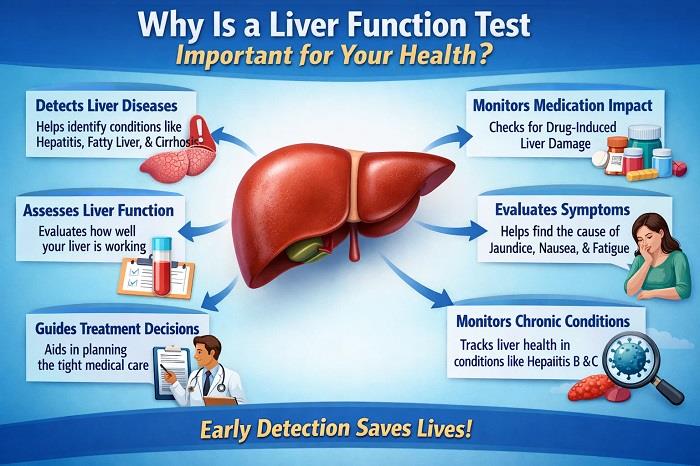
Why Is a Liver Function Test Important for Your Health
The liver is one of the most vital organs in the human body. It performs over 500 essential functions, including detoxifying harmful substances, producing bile for digestion, storing nutrients, and regulating metabolism. Despite its importance, liver problems often develop silently without obvious symptoms. This is why a Liver Function Test (LFT) plays a crucial role in maintaining overall health.
A Liver Function Test is a simple blood test that measures various enzymes, proteins, and substances produced by the liver. These markers help evaluate how well your liver is working and detect potential damage at an early stage.
Early Detection of Liver Diseases
Many liver conditions do not show symptoms in the early stages. Diseases such as fatty liver, hepatitis, and liver inflammation can progress silently. By the time symptoms like jaundice, fatigue, or abdominal pain appear, the condition may already be advanced.
An LFT helps detect abnormal enzyme levels early, allowing timely medical intervention. Early diagnosis improves treatment outcomes and reduces the risk of complications.
Monitoring Liver Health
If you already have a liver condition, regular testing helps monitor disease progression and treatment effectiveness. Doctors use LFT results to adjust medications and recommend lifestyle changes. People with conditions such as diabetes, obesity, or high cholesterol are at higher risk of developing fatty liver disease. Routine liver testing helps track liver health and prevent long-term damage.
Evaluating the Impact of Medications
Certain medications, including long-term painkillers, antibiotics, and cholesterol-lowering drugs, can affect liver function. A Liver Function Test helps ensure that medications are not causing liver damage. Doctors often recommend periodic LFTs for individuals on long-term treatment plans.
Assessing Lifestyle-Related Risks
Unhealthy eating habits, excessive alcohol consumption, and lack of physical activity can negatively impact liver health. Fatty liver disease has become increasingly common due to sedentary lifestyles and high-calorie diets. An LFT provides insights into how lifestyle choices may be affecting your liver. Abnormal results can motivate individuals to adopt healthier habits such as balanced nutrition and regular exercise.
Certain medications, including long-term painkillers, antibiotics, and cholesterol-lowering drugs, can affect liver function. A Liver Function Test helps ensure that medications are not causing liver damage. Doctors often recommend periodic LFTs for individuals on long-term treatment plans.
Assessing Lifestyle-Related Risks
Unhealthy eating habits, excessive alcohol consumption, and lack of physical activity can negatively impact liver health. Fatty liver disease has become increasingly common due to sedentary lifestyles and high-calorie diets. An LFT provides insights into how lifestyle choices may be affecting your liver. Abnormal results can motivate individuals to adopt healthier habits such as balanced nutrition and regular exercise.
Key Components of a Liver Function Test
A standard LFT typically measures:
- Alanine aminotransferase (ALT)
- Aspartate aminotransferase (AST)
- Alkaline phosphatase (ALP)
- Bilirubin
- Albumin
- Total protein
These markers help identify liver inflammation, infection, bile duct problems, and overall liver performance.
Who Should Consider a Liver Function Test?
You should consider an LFT if you:
- Experience symptoms like fatigue, nausea, or yellowing of the skin
- Consume alcohol regularly
- Have diabetes or obesity
- Have a family history of liver disease
- Are taking long-term medications
- Want to include liver screening in a preventive health checkup
Even healthy individuals may benefit from periodic liver screening as part of routine preventive care.
Preventing Serious Complications
Untreated liver conditions can lead to serious complications such as cirrhosis, liver failure, or liver cancer. Regular screening reduces the risk of severe outcomes by identifying problems early. Prevention is always better than treatment. A simple blood test today can prevent major health issues in the future.
A
Liver Function Test is an essential tool for monitoring overall health. It helps detect liver diseases early, assess the impact of medications, and evaluate lifestyle-related risks. Since liver conditions often progress silently, regular testing provides peace of mind and supports proactive health management.
Taking care of your liver is taking care of your overall well-being. Routine liver screening can help you stay healthy, active, and informed about your health status.