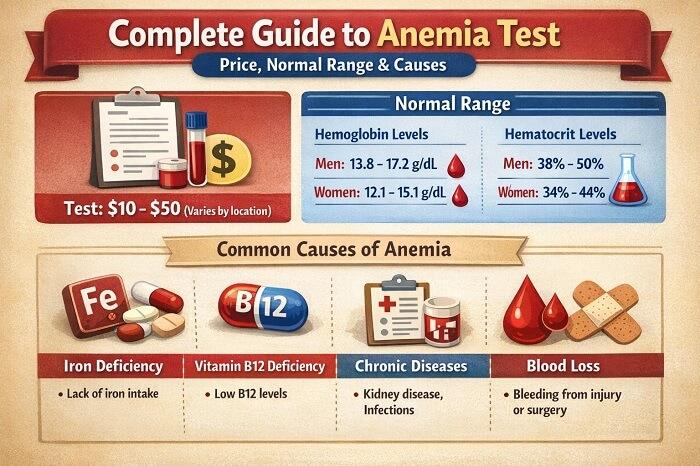
Complete Guide to Anemia Test: Price, Normal Range and Causes
Anemia is a common health condition that occurs when the body does not have enough healthy red blood cells or hemoglobin to carry adequate oxygen to tissues. It can affect people of all ages and often develops silently, causing fatigue and weakness that may be ignored initially. An anemia test helps diagnose the condition early, determine its severity, and identify the underlying cause. Understanding the test price, normal range, and causes of anemia can help individuals take timely action for better health management.
What Is an Anemia Test?
An anemia test typically involves a Complete Blood Count (CBC), which measures hemoglobin levels, red blood cell (RBC) count, hematocrit, and other related parameters. Among these, hemoglobin is the most important marker used to detect anemia.
In some cases, doctors may recommend additional tests such as:
- Serum Iron Test
- Ferritin Test
- Vitamin B12 Test
- Folate Test
- Reticulocyte Count
These tests help determine whether anemia is caused by iron deficiency, vitamin deficiency, chronic disease, or other underlying medical conditions.
Anemia testing is commonly recommended for individuals experiencing fatigue, dizziness, pale skin, shortness of breath, or unexplained weakness. It is also advised for pregnant women, elderly individuals, and people with chronic illnesses.
Normal Range for Anemia (Hemoglobin Levels)
Hemoglobin levels vary based on age and gender. The normal range is typically:
- Adult Men: 13.5 to 17.5 g/dL
- Adult Women: 12.0 to 15.5 g/dL
- Pregnant Women: Around 11 g/dL or higher
- Children: Varies by age
If hemoglobin levels fall below the normal range, it may indicate anemia. The severity is usually classified as:
- Mild Anemia
- Moderate Anemia
- Severe Anemia
A doctor will interpret results along with other blood parameters to determine the type and cause of anemia before recommending treatment.
Common Signs and Symptoms of Anemia
Anemia symptoms can range from mild to severe depending on how low the hemoglobin levels are. Common signs include:
- Persistent fatigue and weakness
- Pale or yellowish skin
- Shortness of breath
- Dizziness or light-headedness
- Cold hands and feet
- Headaches
- Rapid or irregular heartbeat
In severe cases, anemia may lead to chest pain, fainting, or difficulty concentrating. Because symptoms can be subtle, routine screening is important for early detection.
Common Causes of Anemia
Anemia can develop due to various reasons. The most common causes include:
1. Iron Deficiency
Iron deficiency anemia is the most common type worldwide. It occurs when the body lacks sufficient iron to produce hemoglobin. Causes include poor diet, blood loss (heavy menstruation or gastrointestinal bleeding), and pregnancy.
2. Vitamin Deficiency
A lack of Vitamin B12 or folate can lead to megaloblastic anemia, where red blood cells are larger than normal and function poorly.
3. Chronic Diseases
Conditions such as kidney disease, cancer, autoimmune disorders, and chronic infections can interfere with red blood cell production.
4. Genetic Disorders
Inherited conditions like thalassemia and sickle cell anemia affect hemoglobin structure and production.
5. Bone Marrow Disorders
Diseases affecting bone marrow, such as aplastic anemia, reduce the body’s ability to produce red blood cells.
Identifying the underlying cause is crucial because treatment depends on the type of anemia diagnosed.
Why Early Testing Is Important
Untreated anemia can lead to serious complications, including heart problems, pregnancy complications, delayed growth in children, and reduced immunity. Early diagnosis through blood testing allows timely treatment, which may include dietary changes, iron supplements, vitamin therapy, or treatment of the underlying medical condition.
Routine anemia screening is especially important for women of reproductive age, pregnant women, elderly individuals, vegetarians, and people with chronic health conditions.
An anemia test is a simple yet essential diagnostic tool that helps detect low hemoglobin levels and identify the underlying cause of anemia. Understanding the test price, normal range, symptoms, and causes empowers individuals to take proactive steps toward better health. Since anemia often develops silently, regular screening and timely medical consultation play a crucial role in preventing complications and ensuring overall well-being.
If you experience persistent fatigue or related symptoms, consult a healthcare professional and consider getting an anemia test for early detection and proper management.