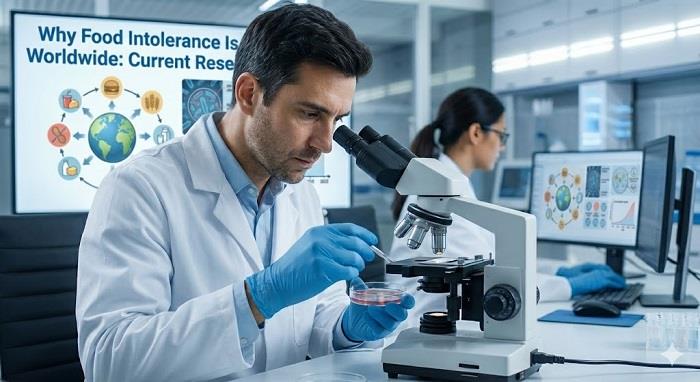
Why Food Intolerance Is Increasing Worldwide
Food intolerance is no longer a rare or niche health issue. Across the world, more people are reporting digestive discomfort, bloating, headaches, fatigue, and unexplained reactions after eating foods they once tolerated without any problem. Research over the past decade confirms this trend: food intolerance is increasing globally, across age groups and regions.
But why is this happening? Current scientific evidence points to a combination of lifestyle, dietary, environmental, and gut-health related factors.
1. Changes in Modern Diets
One of the strongest contributors is the global shift in how and what we eat.Modern diets are increasingly high in:
- Ultra-processed foods
- Refined sugars
- Artificial additives and preservatives
- Emulsifiers and stabilizers
Research shows that many of these substances can disrupt digestion and irritate the gut lining. Some food additives may also alter gut bacteria composition, reducing the body’s ability to properly digest certain foods. As traditional, fiber-rich diets decline worldwide, digestive tolerance weakens.
2. Declining Gut Microbiome Diversity
The gut microbiome plays a central role in how food is processed. A healthy gut contains a diverse population of beneficial bacteria that help digest carbohydrates, fats, proteins, and food chemicals. Studies consistently show that people with food intolerance or IBS often have:
- Lower microbial diversity
- Reduced beneficial bacteria
- Increased gas-producing or inflammatory microbes
- Factors reducing microbiome diversity include:
- Antibiotic overuse
- Poor dietary fiber intake
- Chronic stress
- Sedentary lifestyle
A less diverse microbiome struggles to adapt to varied foods, increasing intolerance reactions.
3. Increased Antibiotic Exposure
Antibiotics save lives, but their widespread and sometimes unnecessary use has consequences.
Research indicates that antibiotics can:
- Eliminate beneficial gut bacteria
- Disrupt enzyme production needed for digestion
- Increase susceptibility to post-infectious food intolerance
In many cases, food intolerance develops after a course of antibiotics or a gastrointestinal infection, especially when gut balance is not restored.
4. Higher Stress Levels and Lifestyle Factors
Chronic stress directly affects digestion. The gut and brain communicate through the gut-brain axis, and stress alters gut motility, enzyme secretion, and microbiome balance.Studies show that stress can:
- Slow digestion
- Increase gut sensitivity
- Worsen symptoms of food intolerance
- Amplify reactions to otherwise mild triggers
This partly explains why food intolerance is more commonly reported in urban populations and high-stress environments.
5. Environmental and Chemical Exposure
Growing exposure to environmental chemicals, pesticides, and pollutants may also play a role.
Emerging research suggests that these exposures can:
- Increase low-grade gut inflammation
- Affect immune tolerance to foods
- Alter microbial composition
Although research is ongoing, the link between environmental exposure and digestive sensitivity is gaining attention.
6. Increased Awareness and Better Diagnosis
Not all of the rise is biological. Some of it is due to improved awareness and testing.
In the past, people often ignored digestive symptoms or labeled them as “normal.” Today, with greater access to health information and diagnostic testing, food intolerance is being recognized more frequently.
IgG-based food intolerance tests, elimination diets, and gut health assessments are helping people identify triggers that previously went unnoticed.
7. Age-Related Digestive Changes
As populations age globally, food intolerance naturally becomes more common.
With age:
- Digestive enzyme production may decline
- Gut motility slows
- Microbiome diversity decreases
This makes older adults more susceptible to lactose intolerance, gluten sensitivity, and reactions to certain carbohydrates.
What Current Research Suggests Overall
The rise in food intolerance is multifactorial, driven by:
- Modern dietary patterns
- Gut microbiome disruption
- Antibiotic exposure
- Stress and lifestyle changes
- Environmental factors
- Increased diagnostic awareness
There is no single cause — rather, it is the cumulative effect of modern living on digestive health.
What Can Be Done?
Research supports a proactive approach:
- Improving gut health through fiber-rich diets
- Reducing ultra-processed food intake
- Managing stress
- Using antibiotics judiciously
Identifying trigger foods through structured testing or elimination strategies
Early identification helps prevent chronic discomfort and supports long-term digestive resilience.
Food intolerance is becoming more common worldwide not because our bodies are “failing,” but because our environments and lifestyles have changed faster than our digestive systems can adapt.
Understanding the research behind this rise helps shift the focus from frustration to prevention — and from guesswork to informed action.