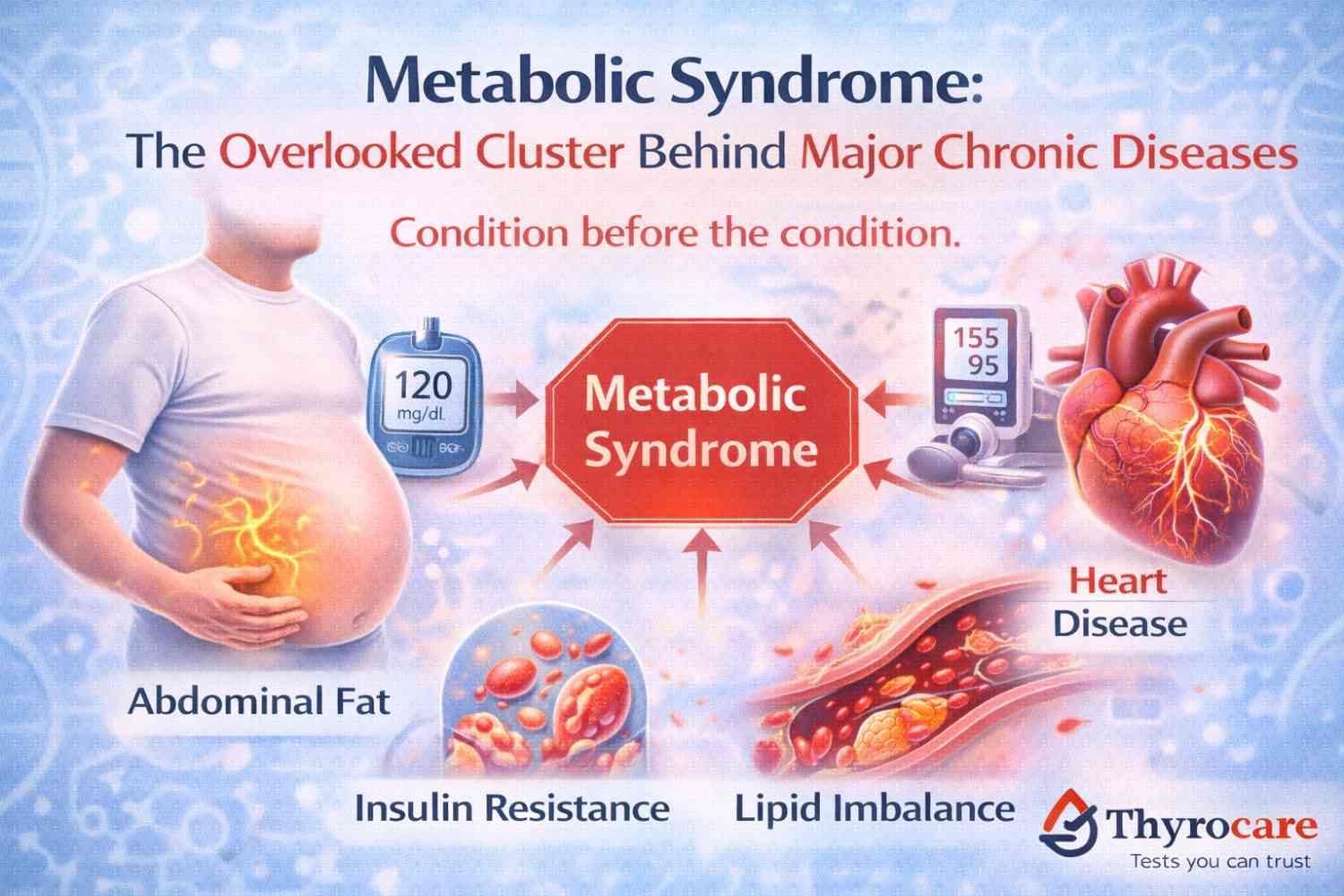
Metabolic Syndrome: The Overlooked Cluster Behind Major Chronic Diseases
Many chronic diseases appear to develop independently. Diabetes is often associated with blood sugar, heart disease with cholesterol, and hypertension with blood pressure. Yet in many cases, these conditions share a common starting point known as metabolic syndrome.
Metabolic syndrome is not a single disease. Instead, it is a cluster of metabolic changes that occur together and significantly increase the risk of long-term health problems.
In many individuals, this cluster develops quietly for years before a formal diagnosis of diabetes or heart disease is made.
What Is Metabolic Syndrome?
Metabolic syndrome refers to a group of metabolic abnormalities that tend to occur together. These include:
- Increased abdominal fat
- Insulin resistance
- Elevated blood pressure
- Lipid imbalance (high triglycerides or low HDL cholesterol)
When several of these factors appear simultaneously, the body’s metabolic regulation becomes strained. This combination significantly increases the risk of cardiovascular disease and type 2 diabetes.
Abdominal Fat and Metabolic Stress
Not all body fat behaves the same way. Fat stored around abdominal organs—often referred to as visceral fat—is metabolically active.
Visceral fat releases inflammatory molecules and hormones that interfere with insulin signaling. This activity contributes to insulin resistance and increases systemic inflammation.
Over time, this metabolic stress begins affecting multiple organs simultaneously.
Insulin Resistance: The Early Metabolic Shift
Insulin resistance is often one of the earliest changes in metabolic syndrome. When cells respond poorly to insulin, the body compensates by producing more of it.
This compensation may keep blood sugar levels within normal range initially, but the underlying metabolic imbalance continues to progress.
Persistent insulin resistance increases the likelihood of developing type 2 diabetes and vascular damage over time.
Lipid Imbalance and Cardiovascular Risk
Metabolic syndrome frequently alters lipid patterns. Triglyceride levels may rise while protective HDL cholesterol may decline.
These lipid shifts increase the tendency for fatty deposits to accumulate inside blood vessels. Over time, this process contributes to plaque formation and long-term cardiovascular risk.
This explains why metabolic syndrome is strongly linked to heart disease.
Blood Pressure and Vascular Strain
Another key feature of metabolic syndrome is elevated blood pressure. Insulin resistance, inflammation, and vascular stiffness all contribute to increased pressure within blood vessels.
Although mild blood pressure elevation may not cause immediate symptoms, it gradually increases stress on the heart and arteries.
Why Metabolic Syndrome Often Goes Unnoticed
Metabolic syndrome develops gradually and rarely produces clear symptoms in its early stages. Many individuals feel completely healthy while these internal changes evolve.
Routine blood tests often reveal the earliest signals, including shifts in glucose regulation, lipid balance, and metabolic markers.
Recognizing these patterns early provides an opportunity to address risk before major chronic diseases develop.
Preventive Monitoring with Thyrocare
Thyrocare offers comprehensive blood testing that evaluates glucose markers, lipid profiles, and metabolic indicators associated with metabolic syndrome. When you book a Thyrocare blood test through BookMyTest, trained professionals collect samples at home, and digital reports are delivered within 24 to 48 hours, making preventive monitoring convenient and accessible.
Early detection of metabolic imbalance supports proactive health management.
Conclusion
Metabolic syndrome represents the foundation upon which many chronic diseases develop. Abdominal fat, insulin resistance, lipid imbalance, and elevated blood pressure work together to create long-term metabolic strain. Recognizing this cluster early highlights the importance of preventive screening and regular health monitoring.
Understanding metabolic syndrome allows individuals to address risk factors before they progress into diabetes, heart disease, or other chronic conditions.
FAQs
What is metabolic syndrome?
Metabolic syndrome is a group of metabolic risk factors—including abdominal fat, insulin resistance, lipid imbalance, and elevated blood pressure—that increase the risk of chronic diseases.
Why is metabolic syndrome dangerous?
It significantly increases the risk of type 2 diabetes, cardiovascular disease, and other metabolic complications.
What tests help detect metabolic syndrome?
A Thyrocare blood test can evaluate glucose levels, lipid profiles, and metabolic markers associated with metabolic syndrome.
Is Thyrocare home sample collection available for preventive testing?
Yes. Thyrocare home sample collection is available when booking routine health screening through BookMyTest.
How soon are Thyrocare blood test reports delivered?
Most Thyrocare blood test reports are delivered digitally within 24 to 48 hours.