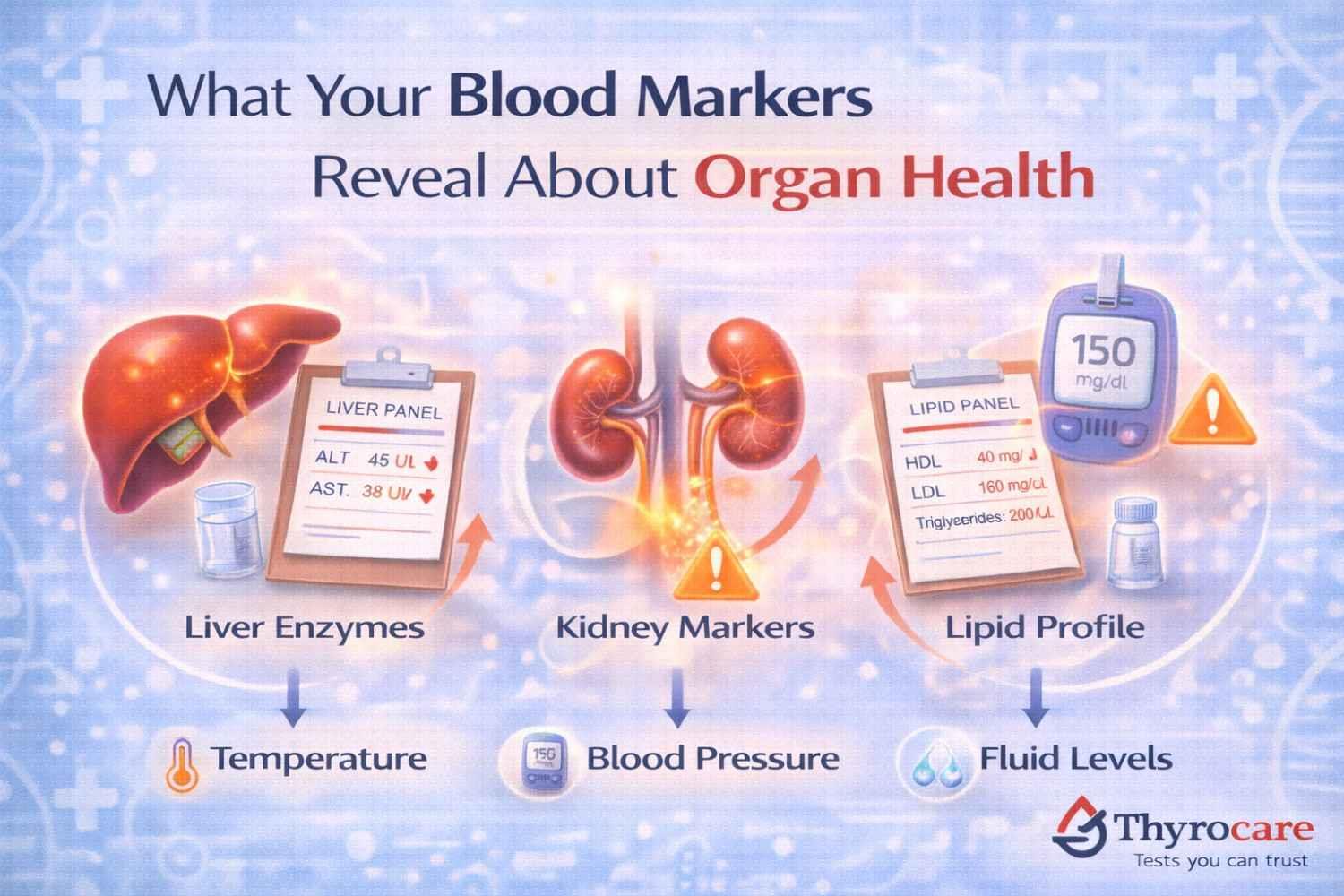
What Your Blood Markers Reveal About Organ Health
The human body constantly sends signals about its internal condition. Many of these signals are not visible through symptoms or physical changes. Instead, they appear in blood tests as biochemical markers that reflect how organs are functioning. In this way, blood acts as a diagnostic window into the body, offering valuable insights into liver health, kidney efficiency, metabolic balance, and cardiovascular risk.
Understanding these markers helps explain why routine blood testing plays an important role in preventive healthcare.
Blood Tests as an Internal Health Snapshot
Blood circulates through every organ in the body, carrying nutrients, oxygen, hormones, and waste products. Because of this continuous circulation, changes in organ function often appear as measurable shifts in blood markers.
These markers help healthcare professionals understand how well organs are performing their roles, even before noticeable symptoms appear.
Liver Enzymes and Metabolic Activity
The liver is responsible for processing nutrients, detoxifying substances, and regulating metabolism. When liver cells experience stress or inflammation, certain enzymes can appear in higher concentrations in the bloodstream.
Markers such as liver enzymes provide insight into how efficiently the liver is functioning. Even mild elevations can indicate metabolic strain or early liver stress.
Kidney Markers and Filtration Efficiency
The kidneys filter waste products and excess fluids from the blood. When filtration efficiency changes, markers such as creatinine and related parameters may shift.
Because kidneys have significant reserve capacity, early changes often occur without symptoms. Blood tests therefore play a key role in identifying subtle kidney function changes.
Lipid Profile and Cardiovascular Health
A lipid profile measures different types of fats circulating in the bloodstream, including cholesterol and triglycerides. These markers provide important information about cardiovascular health and long-term vascular risk.
Changes in lipid balance can signal metabolic shifts that influence artery health and circulation.
Glucose and Metabolic Balance
Glucose levels reflect how effectively the body regulates energy metabolism. Persistent elevation may indicate insulin resistance or metabolic strain.
Monitoring glucose trends over time helps identify early metabolic changes before diabetes develops.
Why Blood Markers Matter for Prevention
Blood markers often change before symptoms appear. Detecting these shifts early provides valuable insight into internal health and allows timely medical guidance.
Routine testing helps track organ function, monitor trends, and support long-term preventive care.
Preventive Testing with Thyrocare
Thyrocare offers comprehensive blood testing that evaluates liver enzymes, kidney markers, lipid profiles, and glucose levels. When you book a Thyrocare blood test through BookMyTest, professional home sample collection ensures convenience, and digital reports are delivered within 24 to 48 hours, making preventive health monitoring simple and accessible.
Conclusion
Blood markers provide a valuable window into the body’s internal health. From liver function and kidney filtration to metabolic balance and cardiovascular risk, these indicators help reveal how organs are performing. Regular monitoring of blood markers supports early detection and informed health decisions.
FAQs
What do blood markers indicate about organ health?
Blood markers can reflect how well organs such as the liver, kidneys, and heart are functioning.
Can blood tests detect organ problems early?
Yes. A Thyrocare blood test can reveal early changes in liver enzymes, kidney markers, and metabolic indicators.
Is Thyrocare home sample collection available for preventive testing?
Yes. Thyrocare home sample collection is available when booking tests through BookMyTest.
Why are lipid and glucose tests important?
They help assess metabolic balance and cardiovascular risk.
How quickly are Thyrocare blood test reports delivered?
Most Thyrocare blood test reports are delivered digitally within 24 to 48 hours.