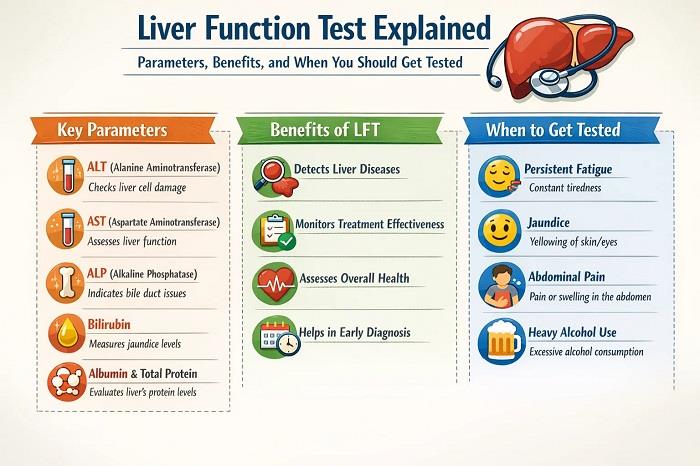
Liver Function Test Explained
A Liver Function Test (LFT) is a group of blood tests that help evaluate how well your liver is working. The liver is one of the most vital organs in the body, responsible for filtering toxins, metabolizing nutrients, producing proteins, and supporting digestion. Because many liver conditions develop silently without noticeable symptoms, regular testing can play a crucial role in identifying potential problems early. Liver Function Tests measure different enzymes, proteins, and substances in the blood that reflect liver health. These tests help doctors detect liver inflammation, infection, damage, or disease and monitor ongoing liver conditions.
Key Parameters Included in a Liver Function Test
A standard LFT panel typically includes several important markers. Each parameter provides specific information about liver health.
1. Alanine Aminotransferase (ALT): ALT is an enzyme mainly found in liver cells. When liver cells are damaged, ALT leaks into the bloodstream. Elevated ALT levels may indicate liver inflammation, fatty liver disease, hepatitis, or liver injury.
2. Aspartate Aminotransferase (AST): AST is another enzyme found in the liver, heart, muscles, and other tissues. High AST levels can indicate liver damage, although doctors often compare AST with ALT to better understand the cause of abnormal results.
3. Alkaline Phosphatase (ALP): ALP is an enzyme related to bile ducts. Elevated levels may suggest bile duct blockage, liver disease, or certain bone disorders.
4. Bilirubin (Total and Direct): Bilirubin is a yellow pigment produced during the breakdown of red blood cells. The liver processes bilirubin and helps eliminate it through bile. High bilirubin levels may lead to jaundice (yellowing of the skin and eyes) and indicate liver dysfunction or bile flow problems.
5. Albumin: Albumin is a protein produced by the liver. It helps maintain fluid balance in the body and transports hormones, vitamins, and medications. Low albumin levels may indicate chronic liver disease or impaired liver function.
6. Total Protein: This test measures the total amount of protein in the blood, including albumin and globulin. Abnormal levels may reflect liver disease, kidney disorders, or nutritional issues.
7. Gamma-Glutamyl Transferase (GGT): GGT is another enzyme that can indicate liver or bile duct problems. It is often used to determine whether high ALP levels are related to liver disease.
Together, these parameters provide a comprehensive overview of liver health and help doctors identify potential problems.
Benefits of a Liver Function Test
Regular Liver Function Testing offers several important benefits for maintaining overall health.
- Early Detection of Liver Disease: Many liver conditions, such as fatty liver disease or hepatitis, develop gradually and may not cause symptoms initially. LFTs help detect abnormalities early, allowing timely medical intervention.
- Monitoring Existing Liver Conditions: For individuals already diagnosed with liver diseases like hepatitis or cirrhosis, regular LFTs help doctors monitor disease progression and evaluate the effectiveness of treatment.
- Assessing the Impact of Medications: Certain medications can affect liver function. Doctors may recommend LFTs to monitor liver health during long-term medication use.
- Evaluating Symptoms Related to Liver Problems: Symptoms such as fatigue, nausea, abdominal pain, dark urine, or yellowing of the skin may prompt doctors to recommend a liver function test.
- Preventive Health Screening: LFTs are often included in routine preventive health checkups. They help provide an overall picture of metabolic and organ health.
When Should You Get a Liver Function Test?
A Liver Function Test may be recommended in several situations.
During Routine Health Checkups: Regular preventive screenings often include LFTs, especially for adults above 30 or those with risk factors.
If You Have Symptoms of Liver Problems: Symptoms such as jaundice, persistent fatigue, abdominal discomfort, unexplained weight loss, or swelling in the legs may indicate liver issues.
If You Have Risk Factors: People with certain lifestyle or medical factors may benefit from regular testing, including:
- Excessive alcohol consumption
- Obesity or fatty liver risk
- Diabetes or metabolic syndrome
- Viral hepatitis exposure
- Long-term medication use
For Monitoring Chronic Conditions: Individuals diagnosed with liver disease, fatty liver, or hepatitis often require periodic testing to track liver health.
Before or During Medical Treatment: Doctors may order LFTs before starting certain medications or treatments that could impact the liver.
Preparing for a Liver Function Test
A liver function test is a simple blood test usually performed after fasting for several hours. A small blood sample is collected from a vein and analyzed in a laboratory. Results are typically available within a short time, and your doctor will interpret them based on your medical history and symptoms.
The liver performs hundreds of critical functions that keep the body healthy. Because liver diseases often progress silently, routine monitoring through a Liver Function Test can be extremely valuable. By understanding the key parameters, benefits, and appropriate testing timelines, individuals can take proactive steps toward protecting their liver health and overall well-being.
Regular preventive screening, combined with a healthy lifestyle and medical guidance, can go a long way in maintaining optimal liver function and preventing serious health complications.