Lipid Profile Test Cholesterol Heart Risk
Heart disease remains one of the leading health concerns worldwide, and high cholesterol is a major contributing factor. Unfortunately, cholesterol levels often rise silently without noticeable symptoms, making early detection essential. A lipid profile test is a simple blood test that provides valuable insights into your cholesterol levels and overall heart health.
What Is a Lipid Profile Test?
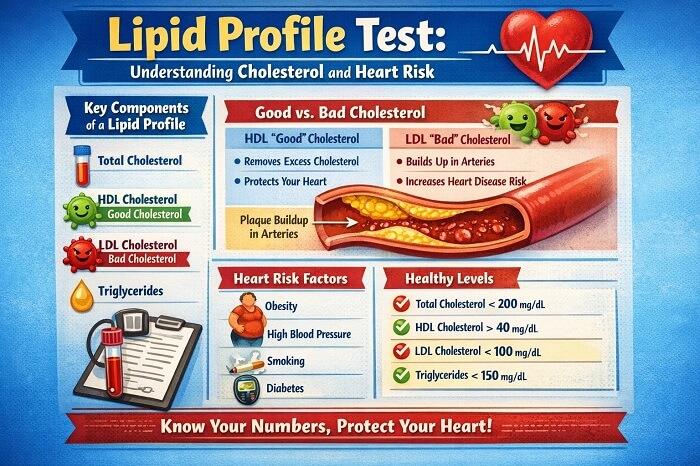
A lipid profile test is a group of blood tests used to measure different types of fats (lipids) in the blood. These include cholesterol and triglycerides, which play a crucial role in your body’s functioning. However, abnormal levels can increase the risk of heart disease, stroke, and other cardiovascular conditions. This test is commonly recommended as part of routine health checkups or for individuals with risk factors such as obesity, diabetes, or a family history of heart disease.
Key Parameters in a Lipid Profile Test
A lipid profile test includes several important components that help evaluate heart health:
- Total Cholesterol – Measures the overall amount of cholesterol in the blood.
- LDL (Low-Density Lipoprotein) – Known as “bad cholesterol,” high levels can lead to plaque buildup in arteries
- HDL (High-Density Lipoprotein) – Known as “good cholesterol,” it helps remove excess cholesterol from the bloodstream
- Triglycerides – A type of fat that stores excess energy; high levels can increase heart risk
- VLDL (Very Low-Density Lipoprotein) – Contributes to fat buildup in arteries
Understanding these parameters helps doctors assess your risk of cardiovascular disease and recommend appropriate lifestyle changes or treatment.
Why Is the Lipid Profile Test Important?
The lipid profile test plays a key role in preventive healthcare. It helps in:
- Early Detection of Heart Disease Risk
- Monitoring Cholesterol Levels Over Time
- Guiding Lifestyle and Dietary Changes
- Evaluating the Effectiveness of Treatment
Since high cholesterol often has no symptoms, regular testing is the only reliable way to monitor your heart health.
Who Should Get a Lipid Profile Test?
A lipid profile test is recommended for:
- Adults above 20 years as part of routine screening
- Individuals with a family history of heart disease
- People with diabetes, obesity, or high blood pressure
- Smokers and those with sedentary lifestyles
- Anyone experiencing symptoms related to heart health issues
Doctors may suggest regular testing based on your risk level and health condition.
How to Prepare for the Test
Preparation for a lipid profile test is simple. In most cases, you may be asked to fast for 9–12 hours before the test to ensure accurate results. Drinking water is allowed, but food and sugary drinks should be avoided. Following proper preparation guidelines helps in obtaining precise and reliable test results
Understanding Your Results
Interpreting lipid profile results is crucial for understanding your heart health:
- High LDL and triglycerides may increase heart disease risk
- Low HDL levels may reduce your body’s ability to remove excess cholesterol
- Balanced levels indicate a lower risk of cardiovascular problems
Based on your results, your doctor may recommend lifestyle changes such as a healthy diet, regular exercise, and medications if necessary.
A lipid profile test is a powerful tool for assessing your cholesterol levels and identifying potential heart risks early. With increasing lifestyle-related health issues, regular screening has become more important than ever. By monitoring your lipid levels and taking timely action, you can significantly reduce the risk of heart disease and maintain a healthier life.
If you want to stay proactive about your heart health, consider including a lipid profile test in your routine health checkup.