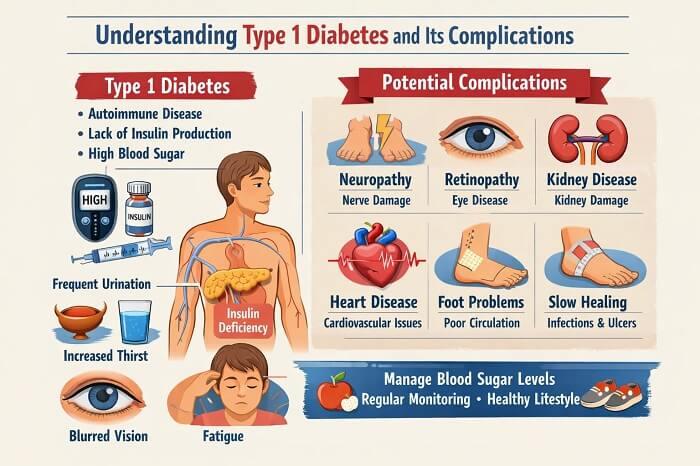
Understanding Type 1 Diabetes and Its Complications
Type 1 diabetes is a chronic autoimmune condition in which the body’s immune system mistakenly attacks and destroys the insulin-producing beta cells of the pancreas. Insulin is essential for allowing glucose to enter cells and be used for energy. When insulin production is severely reduced or stops completely, blood glucose levels rise, leading to diabetes. Although type 1 diabetes is often diagnosed in children and young adults, it can occur at any age. Understanding the condition from diagnosis to long-term management is crucial for preventing complications and maintaining a good quality of life.
What Is Type 1 Diabetes and How Is It Diagnosed?
Type 1 diabetes develops when the pancreas can no longer produce sufficient insulin due to autoimmune destruction. Unlike type 2 diabetes, it is not caused by lifestyle factors and cannot be prevented. The onset is often sudden, with symptoms such as frequent urination, excessive thirst, unexplained weight loss, extreme fatigue, and increased hunger.
Diagnosis is confirmed through blood tests that measure glucose levels and markers of insulin deficiency. Common tests include fasting blood glucose, random blood glucose, and HbA1c, which reflects average blood sugar levels over the past two to three months. In many cases, additional tests such as C-peptide levels and diabetes-related autoantibodies are used to distinguish type 1 diabetes from other forms of diabetes. Early and accurate diagnosis is essential to begin insulin therapy promptly and avoid serious metabolic complications.
How to Interpret Type 1 Diabetes Test Results
Understanding test results helps patients and caregivers actively participate in diabetes management. Persistently elevated fasting or random blood glucose levels indicate poor glucose control. HbA1c values above the normal range suggest that blood sugar has been consistently high over time. Low C-peptide levels indicate reduced or absent insulin production, which is characteristic of type 1 diabetes.
Regular monitoring does not end with diagnosis. Ongoing blood glucose testing, HbA1c assessments, and periodic checks of kidney function, lipid profile, and eye health help evaluate how well diabetes is controlled and whether complications are developing. Interpreting these results with a healthcare provider allows timely adjustments to insulin doses, diet, and lifestyle.
Complications of Type 1 Diabetes
If blood glucose levels are not well controlled, type 1 diabetes can lead to both short-term and long-term complications. One of the most serious acute complications is diabetic ketoacidosis (DKA), a condition caused by severe insulin deficiency that leads to dangerously high blood sugar, ketone buildup, dehydration, and electrolyte imbalance. DKA is a medical emergency requiring immediate treatment.
Long-term complications develop gradually due to prolonged exposure to high blood glucose levels. These include damage to small blood vessels, leading to diabetic retinopathy (eye disease), nephropathy (kidney damage), and neuropathy (nerve damage). Large blood vessels may also be affected, increasing the risk of heart disease and stroke over time. Early detection and consistent glucose control significantly reduce the risk and severity of these complications.
Management and Long-Term Care in Type 1 Diabetes
Effective management of type 1 diabetes requires lifelong insulin therapy, regular monitoring, and lifestyle planning. Insulin is administered through injections or insulin pumps and must be carefully balanced with food intake and physical activity. Blood glucose monitoring—either through finger-stick testing or continuous glucose monitoring systems—helps guide daily insulin adjustments.
Nutrition plays a key role in management. A balanced diet with controlled carbohydrate intake helps stabilize blood sugar levels. Physical activity improves insulin sensitivity but requires careful planning to avoid hypoglycemia. Education, routine follow-ups, and psychological support are also important, as managing type 1 diabetes can be physically and emotionally demanding.
From diagnosis to daily management, understanding type 1 diabetes is essential for preventing complications and maintaining long-term health. Early diagnosis, accurate interpretation of test results, consistent insulin therapy, and regular monitoring form the foundation of effective care. With proper management and ongoing medical support, individuals with type 1 diabetes can lead active, healthy lives while minimizing the risk of short- and long-term complications.
Explore a wide range of diabetic profile tests for accurate diagnosis, regular monitoring, and effective diabetes management at BookMyTest.: https://bookmytest.co.in/category/diabetic-profiles