How Age Affects Metabolism in Men
Metabolism plays a central role in how the body converts food into energy. For men, metabolic rate influences weight management, muscle mass, energy levels, and overall health. However, metabolism does not remain constant throughout life. As men age, natural biological changes gradually slow metabolic processes, making weight gain easier and fat loss more challenging. Understanding how age affects metabolism—and how to manage it—can help men maintain strength, vitality, and long-term wellness.
Understanding Metabolism and Why It Changes with Age
Metabolism refers to the chemical processes that occur in the body to sustain life, including converting calories into usable energy. A major component of metabolism is the basal metabolic rate (BMR), which represents the number of calories your body burns at rest. Muscle tissue burns more calories than fat tissue, which is why body composition significantly influences metabolic speed.
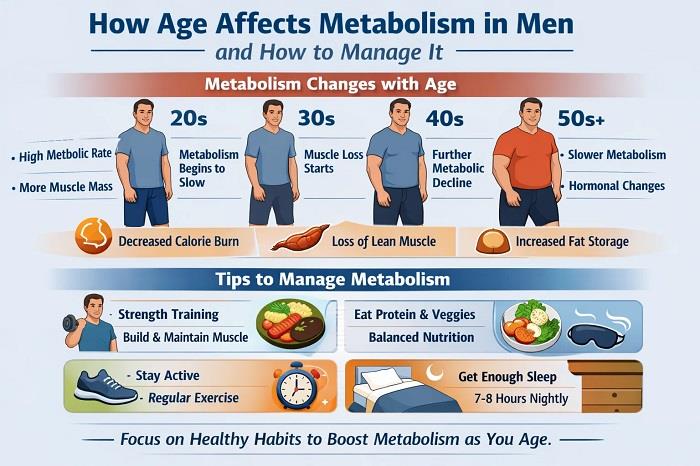
As men age, several physiological changes occur. Testosterone levels gradually decline, often starting in the early 30s. Testosterone plays a key role in maintaining muscle mass, bone density, and fat distribution. When testosterone decreases, muscle mass tends to reduce, and body fat—especially around the abdomen—may increase. Since muscle burns more calories than fat, losing muscle leads to a slower metabolism.
The Impact of Muscle Loss and Hormonal Shifts
After the age of 30, men may lose 3–5% of muscle mass per decade if they are not physically active. This process, known as age-related muscle loss, contributes significantly to metabolic slowdown. Reduced muscle mass lowers daily calorie expenditure, making it easier to gain weight even if eating habits remain the same.
Hormonal shifts also affect how the body stores fat and regulates blood sugar. Lower testosterone levels can lead to increased abdominal fat, which is associated with insulin resistance and higher risk of metabolic disorders. Additionally, changes in thyroid function, stress hormones like cortisol, and sleep patterns further influence metabolism as men grow older.
Lifestyle Factors That Accelerate Metabolic Slowdown
While aging naturally affects metabolism, lifestyle choices can either slow down or accelerate the process. Sedentary behavior, high-calorie processed diets, inadequate sleep, and chronic stress all contribute to weight gain and reduced metabolic efficiency.
Many men experience career-related stress and reduced physical activity in their 30s and 40s, leading to gradual metabolic decline. Alcohol consumption and irregular eating patterns can further disrupt hormone balance and fat metabolism. Over time, these habits compound age-related changes, increasing the risk of obesity, type 2 diabetes, high cholesterol, and heart disease.
How to Manage Metabolism as You Age
The good news is that metabolic slowdown is manageable with the right approach. Strength training is one of the most effective strategies to preserve and build muscle mass. Resistance exercises stimulate muscle growth and increase resting calorie burn. Even two to three sessions per week can make a significant difference.
Protein intake is equally important. Adequate protein supports muscle repair and maintenance, especially as the body becomes less efficient at synthesizing muscle with age. Including lean protein sources in every meal helps maintain metabolic health.
Regular cardiovascular exercise, such as brisk walking, cycling, or swimming, supports heart health and improves insulin sensitivity. Consistency matters more than intensity; sustainable routines yield long-term benefits.
Sleep and stress management are often overlooked but critical for metabolic balance. Poor sleep disrupts hunger hormones, increases cravings, and slows fat metabolism. Managing stress through relaxation techniques, physical activity, or mindfulness can help regulate cortisol levels and prevent abdominal fat accumulation.
The Importance of Preventive Health Screening
Since metabolic changes often occur silently, preventive health screening plays an essential role in early detection. Tests such as blood sugar levels, lipid profile, liver function tests, thyroid profile, and testosterone levels help assess metabolic health. Identifying imbalances early allows for timely lifestyle adjustments or medical guidance before complications develop.
Reputed diagnostic providers like Metropolis Healthcare and Thyrocare offer comprehensive health packages that evaluate metabolic markers accurately. Booking platforms such as BookMyTest make these screenings more accessible, enabling men to monitor their health conveniently and proactively.
Long-Term Benefits of Managing Metabolism
Taking control of metabolic health reduces the risk of chronic conditions and improves energy, strength, and overall quality of life. Maintaining muscle mass supports better posture, balance, and mobility as men age. Stable metabolism also contributes to healthier weight management and cardiovascular function.
Aging is inevitable, but rapid metabolic decline is not. By combining strength training, balanced nutrition, stress control, proper sleep, and regular health screening, men can maintain an efficient metabolism well into later years.
Age naturally influences metabolism in men, primarily through muscle loss and hormonal changes. However, proactive lifestyle choices and preventive health monitoring can significantly reduce its impact. Managing metabolism isn’t about extreme dieting—it’s about consistent habits that preserve muscle, regulate hormones, and support long-term wellness. With the right approach, men can stay active, strong, and metabolically healthy at every stage of life.