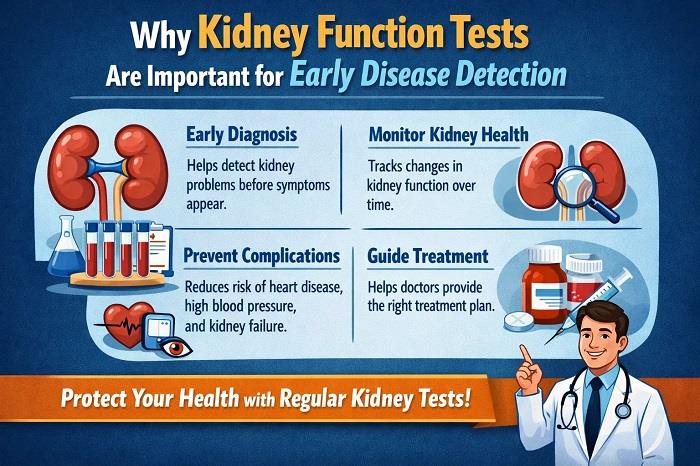
Why Kidney Function Tests Are Important for Early Disease Detection
Our kidneys are quiet workers. They filter waste, balance fluids, regulate blood pressure, and help maintain essential minerals in the body. And the interesting part? They do all of this without demanding much attention—until something goes wrong.
The challenge with kidney disease is that it often develops silently. In the early stages, most people feel completely normal. There may be no pain, no obvious symptoms, and nothing that signals a problem. This is why kidney function tests play such an important role in preventive healthcare. These tests can detect early changes in kidney performance long before symptoms appear, allowing timely medical care and lifestyle adjustments.
Understanding the Role of Kidneys in the Body
Kidneys are two bean-shaped organs located on either side of the spine, just below the rib cage. Their main job is to filter waste products and excess fluids from the bloodstream, which are then removed through urine.
Beyond waste removal, kidneys also perform several critical functions. They regulate electrolyte levels such as sodium and potassium, help control blood pressure through hormone regulation, support red blood cell production, and maintain the body’s acid-base balance.
When kidney function begins to decline, these processes gradually become less efficient. Waste products may start accumulating in the bloodstream, fluid balance may change, and other organs can be affected. The tricky part is that these changes often happen slowly and quietly.
What Is a Kidney Function Test?
A Kidney Function Test (KFT) is a group of laboratory tests designed to evaluate how well the kidneys are working. These tests measure specific substances in the blood and urine that indicate the kidneys’ ability to filter and eliminate waste. Common parameters included in kidney function testing are:
- Serum Creatinine: A waste product generated from muscle metabolism. Elevated levels can indicate reduced kidney filtration.
- Blood Urea Nitrogen (BUN): Measures the amount of nitrogen in the blood from urea, another waste product.
- Estimated Glomerular Filtration Rate (eGFR): Calculates how effectively the kidneys filter blood.
- Electrolytes: Levels of sodium, potassium, and other minerals regulated by kidney function.
- Uric Acid: High levels can be associated with kidney dysfunction or metabolic conditions.
These tests together provide a clear picture of kidney performance and help doctors identify abnormalities early.
Why Early Detection of Kidney Disease Matters
One of the biggest concerns with kidney disease is that symptoms often appear only when significant damage has already occurred. In many cases, more than half of kidney function may be lost before noticeable signs develop. Early detection through routine testing offers several advantages.
First, it allows doctors to identify kidney stress or damage at a stage when the condition is still manageable. Lifestyle changes, medication adjustments, or treatment of underlying conditions can help slow or even prevent further deterioration. Second, kidney disease is closely linked with other chronic conditions such as diabetes, hypertension, and cardiovascular disease. Detecting kidney issues early helps healthcare providers manage these interconnected risks more effectively. Finally, early diagnosis can reduce the likelihood of severe complications that require dialysis or kidney transplantation later in life.
Who Should Get Kidney Function Tests?
While kidney function testing can benefit anyone as part of routine health screening, certain groups are at higher risk and should consider regular monitoring. People with diabetes or high blood pressure are among the most vulnerable to kidney damage. Long-term elevated blood sugar and blood pressure can strain the kidneys and gradually impair their filtering ability.
Individuals with a family history of kidney disease, heart disease, or metabolic disorders should also monitor kidney health regularly. Other risk factors include obesity, smoking, frequent use of certain medications such as painkillers, and aging, as kidney function naturally declines over time. Even in the absence of symptoms, routine testing helps identify subtle changes that may require attention.
Signs That May Indicate Kidney Problems
Although early kidney disease may not produce symptoms, certain signs can sometimes appear as the condition progresses. These may include:
- Persistent fatigue
- Swelling in the feet, ankles, or face
- Frequent urination, especially at night
- Foamy or discolored urine
- Difficulty concentrating
- Unexplained nausea or loss of appetite
However, relying on symptoms alone is not reliable. This is why routine blood and urine testing remains the most effective way to monitor kidney health.
The Role of Preventive Health Screening
Preventive health checkups often include kidney function testing as part of broader metabolic or organ health assessments. These comprehensive screenings evaluate multiple systems in the body, including liver health, blood sugar levels, lipid profile, and kidney filtration markers. By combining these indicators, healthcare providers can detect early warning signs of lifestyle-related diseases and guide patients toward timely intervention.Routine screening not only supports early diagnosis but also helps individuals track changes in their health over time.
Kidneys play a vital role in maintaining the body’s internal balance, yet kidney problems can progress quietly without obvious warning signs. Kidney function tests offer a simple and reliable way to monitor these essential organs and detect potential issues early. Regular screening is especially important for individuals with risk factors such as diabetes, hypertension, or family history of kidney disease. By identifying abnormalities at an early stage, these tests help prevent complications and support long-term health. In preventive healthcare, awareness and timely testing make a significant difference. Monitoring kidney function today can help protect your overall health for years to come.