Hemoglobin Disorders Electrophoresis Testing
Hemoglobin is an essential protein in red blood cells that carries oxygen from the lungs to different parts of the body. Any abnormality in hemoglobin structure or production can lead to serious health conditions known as hemoglobin disorders. These disorders often go unnoticed in the early stages, making timely diagnosis extremely important. One of the most reliable methods to identify such conditions is electrophoresis testing, a specialized laboratory technique that helps detect different types of hemoglobin in the blood.
What Are Hemoglobin Disorders?
Hemoglobin disorders are a group of inherited conditions that affect the structure or production of hemoglobin. These disorders can result in reduced oxygen supply to the body, leading to symptoms like fatigue, weakness, shortness of breath, and pale skin. Some conditions may be mild, while others can significantly impact quality of life.
Common hemoglobin disorders include thalassemia and sickle cell disease. Thalassemia affects the body’s ability to produce normal hemoglobin, while sickle cell disease causes red blood cells to become misshapen and less efficient in carrying oxygen. These conditions are often genetic and may be passed from parents to children.
How Electrophoresis Testing Works
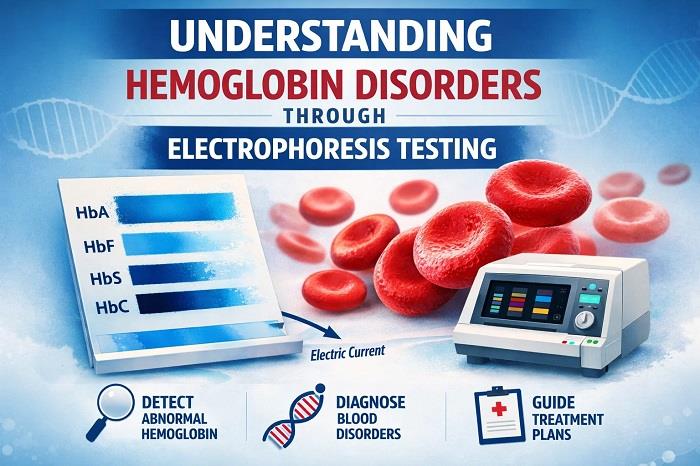
Electrophoresis testing is a laboratory method used to separate different types of hemoglobin based on their electrical charge and movement. A blood sample is collected and placed in a medium where an electric current is applied. Different hemoglobin variants move at different speeds, allowing them to be identified and measured accurately.
This process helps distinguish between normal hemoglobin and abnormal variants. It is particularly useful when routine blood tests fail to provide clear answers or when a genetic blood disorder is suspected.
Why This Test Is Important
Electrophoresis testing plays a crucial role in diagnosing and managing hemoglobin disorders. It provides detailed insights that are not possible with standard blood tests alone.
- Early Detection: Identifies disorders before severe symptoms develop
- Accurate Diagnosis: Differentiates between various hemoglobin variants
- Genetic Screening: Helps individuals with a family history assess their risk
- Treatment Planning: Guides doctors in creating effective management strategies
Early diagnosis can prevent complications and improve long-term health outcomes.
Who Should Consider This Test?
Electrophoresis testing is recommended for individuals who show symptoms of anemia or have a higher risk of hemoglobin disorders. It is especially useful for those with a family history of genetic blood conditions.
You may need this test if you experience persistent fatigue, weakness, or unexplained anemia. It is also advised for couples planning a family, as it helps assess the risk of passing genetic disorders to children. In many cases, doctors include this test as part of a comprehensive anemia evaluation.
Understanding the Test Results
The results of electrophoresis testing show the proportion of different types of hemoglobin present in the blood. In healthy adults, hemoglobin A is the most common type, with small amounts of other variants.
If abnormal hemoglobin types are detected or if their levels are outside the normal range, it may indicate a disorder such as thalassemia or sickle cell disease. A healthcare professional will interpret the results and may recommend further tests or treatment based on the findings.
Understanding hemoglobin disorders is essential for maintaining overall health, especially for individuals at risk of genetic blood conditions. Electrophoresis testing offers a reliable and accurate way to detect abnormal hemoglobin types and diagnose related disorders early.
By identifying these conditions at an early stage, individuals can take proactive steps toward treatment and management. Regular health checkups and timely testing play a key role in preventing complications and ensuring a better quality of life.