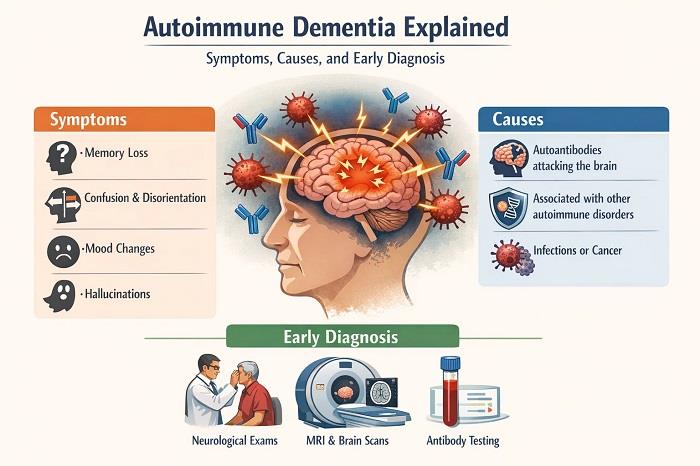
Autoimmune Dementia Symptoms Causes Diagnosis
Dementia is commonly associated with aging and neurodegenerative conditions like Alzheimer’s disease. However, not all types of dementia are permanent or progressive. In some cases, cognitive decline may be caused by autoimmune disorders, where the body’s immune system mistakenly attacks healthy brain cells. This condition is known as autoimmune dementia and, importantly, it can often be reversible if diagnosed early.
Understanding autoimmune dementia is crucial because its symptoms can closely resemble other forms of dementia, leading to delayed or incorrect diagnosis. With advancements in medical science, specialized diagnostic tests now make it possible to identify autoimmune causes and begin timely treatment.
What Is Autoimmune Dementia?
Autoimmune dementia occurs when the immune system produces antibodies that attack brain tissues, leading to inflammation and disruption of normal brain function. This can affect memory, thinking ability, behavior, and overall cognitive performance.
Unlike traditional forms of dementia, autoimmune dementia may develop rapidly over days or weeks. It is often linked to autoimmune conditions such as lupus, autoimmune encephalitis, or other immune-related disorders. The key difference is that this type of dementia is potentially treatable and reversible if identified early.
Common Symptoms of Autoimmune Dementia
The symptoms of autoimmune dementia can vary depending on the part of the brain affected. However, they often appear suddenly and may progress quickly.
- Memory loss and confusion
- Difficulty concentrating or thinking clearly
- Behavioral changes, including irritability or mood swings
- Seizures or abnormal movements in some cases
- Speech difficulties or trouble understanding language
- Sleep disturbances or hallucinations
Because these symptoms overlap with other neurological conditions, proper testing is essential for accurate diagnosis.
Causes and Risk Factors
Autoimmune dementia is caused by an abnormal immune response in which the body attacks its own brain cells. Several factors may contribute to this condition:
- Presence of autoimmune diseases
- Genetic predisposition
- Infections triggering immune response
- Underlying inflammation in the brain
In some cases, the exact cause may not be clearly identified, but early detection remains critical for effective treatment.
Importance of Early Diagnosis
Early diagnosis plays a vital role in managing autoimmune dementia. Unlike many neurodegenerative disorders, autoimmune-related cognitive decline can often be treated successfully if identified in time.
Advanced diagnostic tests, such as autoimmune dementia profiles, help detect specific antibodies and markers associated with immune-related brain conditions. These tests provide valuable insights that help doctors differentiate autoimmune dementia from other types of cognitive disorders.
- Enables timely treatment and possible reversal
- Prevents progression of brain damage
- Improves long-term cognitive outcomes
- Reduces risk of misdiagnosis
How Is Autoimmune Dementia Diagnosed?
Diagnosis typically involves a combination of clinical evaluation and specialized laboratory tests. Doctors may assess symptoms, medical history, and neurological function before recommending specific tests.
An autoimmune dementia profile includes blood tests that identify antibodies targeting brain tissues. Additional investigations such as MRI scans, EEG, or cerebrospinal fluid analysis may also be required to confirm the diagnosis. These tests help pinpoint the underlying cause and guide appropriate treatment strategies.
Treatment and Management
The treatment of autoimmune dementia focuses on controlling the immune response and reducing inflammation in the brain. Depending on the severity and cause, treatment options may include:
- Immunotherapy or corticosteroids
- Medications to suppress immune activity
- Treatment of underlying infections or conditions
- Supportive therapies for cognitive and behavioral symptoms
Early treatment can significantly improve symptoms and, in many cases, restore normal cognitive function.
Autoimmune dementia is a unique and potentially reversible cause of cognitive decline that requires timely recognition and diagnosis. Unlike traditional dementia, it offers hope for recovery when identified early through advanced testing and medical intervention. If you or a loved one experience sudden memory issues or unusual cognitive changes, it is important to seek medical advice and consider appropriate diagnostic tests. Early detection not only improves outcomes but also helps in preserving quality of life.